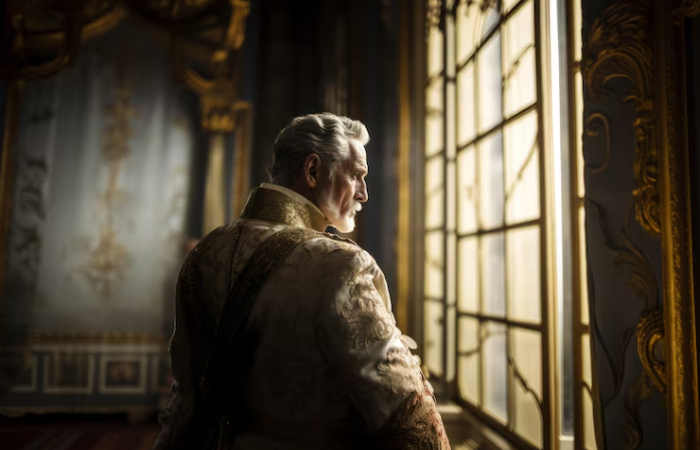
The term «Renaissance man» originates from the Italian Renaissance, a period spanning the 14th to the 17th centuries, marked by a revival of classical learning and wisdom. This era emphasized the potential of human achievement, encouraging individuals to explore multiple disciplines. The phrase encapsulates the ideal of a person who is not only knowledgeable but also proficient in a wide array of fields, embodying the spirit of Renaissance humanism.
Defining the Renaissance man
A Renaissance man is characterized by his insatiable curiosity, versatility, and commitment to lifelong learning. He seeks to develop his abilities across various domains, including the arts, sciences, literature, and physical pursuits. This multidimensional approach to personal development reflects a belief in the limitless potential of human beings to excel in diverse areas of knowledge and skill.
Key characteristics
Several traits define a Renaissance man:
- Broad intellectual interests: Engages deeply with subjects ranging from philosophy and science to art and literature.
- Mastery of multiple disciplines: Achieves a high level of competence in various fields, demonstrating both depth and breadth of knowledge.
- Creative innovation: Applies knowledge creatively, often leading to groundbreaking ideas and inventions.
- Effective communication: Articulates complex ideas clearly and persuasively, both in writing and speech.
- Physical cultivation: Maintains physical fitness and appreciates the importance of bodily health alongside intellectual pursuits.
- Social grace: Exhibits refined manners and the ability to navigate diverse social settings with ease.
Historical exemplars
Leonardo da Vinci
Perhaps the quintessential Renaissance man, Leonardo da Vinci (1452–1519) was a polymath whose contributions spanned painting, engineering, anatomy, and more. His masterpieces, such as the Mona Lisa and The Last Supper, showcase his artistic genius, while his notebooks reveal a mind deeply engaged with scientific inquiry and mechanical design.
Michelangelo Buonarroti
Michelangelo (1475–1564) excelled as a sculptor, painter, and architect. His works, including the David and the Sistine Chapel ceiling, reflect a profound understanding of human anatomy and artistic expression, embodying the Renaissance ideal of integrating art and science.
Galileo Galilei
Galileo (1564–1642), a pioneer in astronomy, physics, and scientific methodology, exemplified the Renaissance man’s pursuit of knowledge. His improvements to the telescope and support for heliocentrism significantly advanced scientific understanding.
The Renaissance man in modern times
The concept of the Renaissance man remains relevant today, encouraging individuals to cultivate diverse skills and knowledge. Modern examples include:
- Elon Musk: Entrepreneur and innovator involved in technology, space exploration, and sustainable energy.
- Neil deGrasse Tyson: Astrophysicist and science communicator who bridges the gap between complex scientific concepts and public understanding.
- Bono: Musician and activist whose work spans entertainment and global humanitarian efforts.
These individuals demonstrate that the Renaissance ideal continues to inspire multifaceted personal and professional development.
Cultivating Renaissance qualities
To embody the Renaissance man ideal, consider the following approaches:
- Pursue continuous learning: Engage with new subjects and skills beyond your primary field of expertise.
- Integrate disciplines: Seek connections between different areas of knowledge to foster innovative thinking.
- Develop communication skills: Practice articulating ideas clearly and effectively to diverse audiences.
- Maintain physical health: Recognize the importance of physical well-being in supporting overall personal development.
- Embrace cultural experiences: Explore various forms of art, music, and literature to enrich your perspective.
By adopting these practices, individuals can strive toward the holistic development characteristic of the Renaissance man.
The enduring appeal
The Renaissance man’s appeal lies in the celebration of human potential and the pursuit of excellence across multiple domains. This ideal encourages a balanced and enriched life, fostering creativity, critical thinking, and adaptability. In an increasingly specialized world, the Renaissance man serves as a reminder of the value in cultivating a broad and integrated approach to personal and intellectual growth.